Thinking about the Triangle and torn between Wake Forest and Raleigh? You are not alone. If you are relocating for work or planning a move across town, the right choice often comes down to tradeoffs you can live with day to day. In this guide, you will get a clear, side‑by‑side look at housing types and budget fit, commute routes to RTP and downtown, and how daily life differs so you can move forward with confidence. Let’s dive in.
Big picture: two great choices, different rhythms
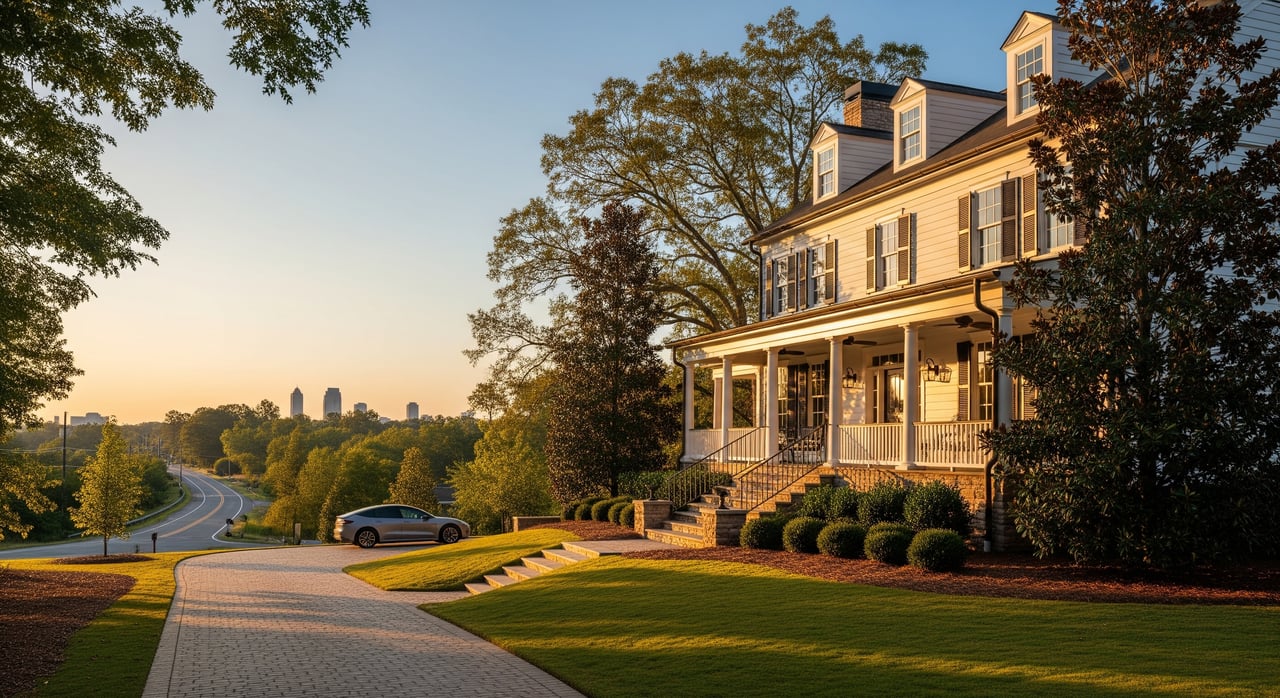
Wake Forest offers a suburban, small‑town feel with many newer single‑family neighborhoods, HOA amenities, and quieter evenings. You will see more yard space, garages, and master‑planned communities. The historic town core adds charm without urban density.
Raleigh brings a larger city footprint with an urban core, established in‑town neighborhoods, and a broad mix of condos, townhomes, and single‑family homes. You will find stronger walkable dining and nightlife near downtown and shorter drives to downtown and many RTP campuses from inner neighborhoods.
A common misconception is that “Raleigh always costs more.” In reality, Raleigh includes many lower‑cost entry points through condos and townhomes, while Wake Forest often skews toward newer, larger single‑family homes that can raise the total purchase price even if price per square foot looks attractive.
Housing: types and typical price bands
Below is a practical way to think about tiers. Use this as a roadmap for matching your budget to home type, then confirm current numbers with your agent and the MLS.
Entry options: condos, townhomes, smaller homes
- Raleigh generally offers more entry points through downtown and near‑downtown condos, in‑fill townhomes, and smaller single‑family homes in inner neighborhoods.
- Wake Forest has townhomes in both older and newer communities, but fewer condos or loft products. Entry pricing often starts with townhomes or smaller single‑family homes near the town core.
- Expect tradeoffs: Raleigh entry options can mean shared walls or less square footage, while Wake Forest entry options may be farther from urban amenities but offer more space.
Mid‑market single‑family: most buyers’ sweet spot
- Wake Forest features many mid‑sized 3–5 bedroom homes built from the 1990s to recent years, often in HOA communities with pools, trails, and playgrounds.
- Raleigh’s mid‑market includes renovated or expanded homes in inner neighborhoods plus newer builds in suburban pockets. Lot sizes and walkability vary by area.
- If you want a newer floor plan and neighborhood amenities, Wake Forest often shines. If you want a closer‑in location with character, Raleigh’s mid‑market has depth.
Upper and luxury: lots, lifestyle, and finishes
- Wake Forest luxury often means larger lots and newer custom homes within master‑planned communities.
- Raleigh luxury can be high‑end downtown condos, estate homes in premium neighborhoods, or custom builds with top finishes close to city amenities.
- Your choice may come down to what you value most: lot size and neighborhood amenities versus walkability and cultural access.
Taxes, HOA fees, and utilities
- Property taxes are set by Wake County plus municipal rates inside each city or town. Check current rates with the Wake County Tax Administration for precise comparisons.
- HOA fees are common in Wake Forest master‑planned communities and vary by amenity level. Raleigh is a mix: some historic areas have no HOA while many new townhomes and condos do.
- Utilities are typically municipal for water and sewer, with regional electric providers. For new construction, confirm service availability and capacity before you commit.
Commute reality: RTP and downtown on your schedule
Think of commutes as patterns, not promises. Where you land in either city will shape your drive or transit options, especially during peak hours.
Key corridors to know
- I‑40 is the primary east‑west spine into RTP and beyond. Many central and west Raleigh neighborhoods flow straight onto I‑40 toward RTP.
- I‑440 is the inner beltline around Raleigh. I‑540 is the outer loop that helps suburbs connect to major routes without crossing the city center.
- From Wake Forest, US‑1 and NC‑98 are common routes that connect you to I‑540 and then I‑40 toward RTP or I‑440 toward downtown.
Typical commute ranges and tradeoffs
- From central or inner Raleigh to RTP, off‑peak drives can often be 15 to 30 minutes depending on the exact campus address. Peak periods add time, especially near I‑40.
- From Wake Forest to RTP, expect longer but reasonable ranges, often 25 to 45 minutes off‑peak using NC‑98 or US‑1 to I‑540 and I‑40. Peak hours increase congestion near ramps and merges.
- To downtown Raleigh, many inner Raleigh neighborhoods are 5 to 20 minutes depending on traffic. From Wake Forest, off‑peak is often 25 to 40 minutes with added time at peak.
Transit, park‑and‑ride, and carpool
- Regional buses and express routes run through GoTriangle. Schedules and coverage change, so confirm routes that serve your work location and neighborhood.
- Inside Raleigh, city bus service expands local coverage and downtown access. Many commuters still prefer driving or employer shuttles to RTP for flexibility.
- Carpooling and park‑and‑ride lots can smooth peak‑hour stress. Ask your employer about shuttle or pre‑tax transit benefits.
Traffic tips and testing routes
- Peak congestion often appears along I‑40 approaching RTP, on I‑440 and I‑540 interchanges, and on US‑1 and NC‑98 feeds from Wake Forest.
- Check construction and incident updates with NCDOT, and explore long‑range planning insights from CAMPO.
- Before you decide, test your drive on a typical weekday at your expected departure times. Map both your primary route and a reliable backup.
Daily life and amenities
Beyond the commute, your routines will shape what feels like home. Here is how day‑to‑day life tends to differ.
Wake Forest: suburban ease with small‑town charm
- The town core offers a historic main street, local boutiques, and seasonal events. Newer communities provide pools, trails, and neighborhood clubs. Explore the Town of Wake Forest for parks, programs, and services.
- Dining skews local and family‑friendly with breweries and casual spots. Nightlife is quieter than downtown Raleigh.
- Recreation includes greenways, sports programs, and HOA amenities. Many buyers choose Wake Forest for space, parking, and lower density.
Raleigh: urban energy and a bigger menu of options
- Downtown and nearby districts offer a vibrant restaurant scene, live music, museums, and seasonal festivals. City parks, greenways, and access to major hospitals and universities are close at hand. See the City of Raleigh for services and parks.
- Neighborhoods vary from walkable, mixed‑use pockets near downtown to leafy single‑family areas with quick access to I‑440 and I‑40.
- Expect more choices for late‑night dining and cultural events, plus broader shopping and specialty services.
Schools and childcare
- Both Wake Forest and Raleigh are served by the Wake County Public School System. Always verify specific school assignments through the WCPSS address lookup and assignment resources, since boundaries and magnet options can change.
- Private and charter options exist in both areas. Waitlists for preschools and childcare vary by neighborhood and time of year, so start early.
Healthcare access
- Raleigh has multiple major hospitals and specialty clinics near the urban core. Wake Forest residents use regional clinics and can reach Raleigh hospitals within a short drive.
Match your priorities to the right fit
Use these filters to focus your search and save time.
- Short commute to RTP or downtown plus walkable amenities: consider Raleigh neighborhoods with quick access to I‑40 or I‑440, or near downtown employment centers.
- More space, newer single‑family, and quieter streets: explore Wake Forest subdivisions and master‑planned communities with HOA amenities.
- Lower entry price: look at Raleigh condo and townhome markets and older homes ready for renovation. In Wake Forest, entry often starts with townhomes or smaller single‑family near the core.
- Walkability, nightlife, and cultural calendar: Raleigh’s downtown and near‑downtown neighborhoods offer more options.
- Family‑oriented HOA lifestyle: Wake Forest’s master‑planned communities commonly include pools, clubhouses, playgrounds, and organized activities.
- Investment or rental focus: Downtown Raleigh and areas near universities and medical centers often show stronger rental demand, while suburban single‑family rentals can perform with different management considerations.
Practical checks before you decide
A quick due‑diligence checklist can prevent surprises later.
- Verify municipal taxes, assessments, and how they stack with county rates through the Wake County Tax Administration.
- Review HOA rules, fees, rental policies, and amenity maintenance plans, especially in master‑planned communities.
- Confirm utility providers and capacity for new construction. Ask about average monthly costs and any planned rate changes.
- Check FEMA maps for flood zones and insurance requirements at the FEMA Flood Map Service Center.
- Review commute scenarios at your actual departure times. Identify both a primary and secondary route.
- For safety context, use official crime mapping tools and schedule neighborhood visits at different times of day.
Common misconceptions, clarified
- Wake Forest is not the university. Wake Forest University is in Winston‑Salem. The Town of Wake Forest is an independent municipality in Wake County.
- Raleigh is not automatically more expensive. Downtown can be high per square foot, but in‑city condos and townhomes often deliver lower entry prices than newer suburban single‑family homes.
- Transit does not guarantee a faster commute. Service exists and is improving, but many RTP commuters still rely on driving or employer shuttles.
How we help you compare with confidence
You deserve a clear plan and a smooth landing. With relocation‑focused buyer representation, neighborhood tours matched to your priorities, and renovation‑minded advice, you will see the right homes at the right time. If you are selling to buy, premium staging and Compass‑enabled marketing can elevate your list‑to‑sale timeline and outcome.
Want a side‑by‑side plan for Wake Forest and Raleigh based on your commute, budget, and daily life goals? Reach out to Bobbie M Callahan to Request a Personalized Market Plan.
FAQs
What is the main lifestyle difference between Wake Forest and Raleigh?
- Wake Forest offers a suburban, small‑town feel with newer single‑family neighborhoods, while Raleigh provides a larger city experience with more walkable dining, culture, and nightlife near the urban core.
How do typical commutes to RTP compare from each area?
- Inner Raleigh neighborhoods often have shorter, more direct routes via I‑40, while Wake Forest commutes commonly use NC‑98 or US‑1 to I‑540 then I‑40, which can add time during peak hours.
Where will I find the most entry‑level housing options?
- Raleigh generally offers more entry options through condos and in‑town townhomes; Wake Forest has fewer condos, so many buyers start with townhomes or smaller single‑family homes near the core.
Are HOA fees more common in Wake Forest?
- HOA communities are very common in Wake Forest master‑planned neighborhoods, while Raleigh has a mix of HOA and non‑HOA areas, especially in older in‑town neighborhoods.
How should I verify school assignments before buying?
- Use the WCPSS assignment resources to confirm the exact schools for a property address and review current program options and application timelines.