Selling a luxury home in North Raleigh takes more than a quick tidy-up. In today’s more balanced market, buyers compare details, scrutinize systems, and expect polished presentation. You want strong offers and a smooth closing, not last-minute surprises. This guide shows you where to invest, how to time prep work, and which steps protect you legally in North Carolina. Let’s dive in.
Understand today’s luxury market in North Raleigh
Inventory across Wake County has grown from the frenzy years, and many listings spend longer on the market than they did in 2020–2022. That means careful preparation and pricing matter again. In Raleigh, agents commonly use the top 5–10 percent of recent neighborhood sales or a price threshold to define luxury. Practically speaking, many North Raleigh homes at or above roughly $1 million compete in the luxury segment, but your best benchmark is the 90th percentile in your immediate ZIP and comps selected by a local CMA.
Buyer financing also shapes demand at the top of the market. The Federal Housing Finance Agency set the 2026 baseline conforming loan limit at $832,750, which means many luxury buyers will use jumbo financing or cash. That can affect appraisal risk, buyer timelines, and documentation expectations for your home’s systems and improvements. You can review the FHFA announcement on the 2026 conforming loan limits for context.
Start smart: inspection, records, and disclosures
Order a pre-listing inspection
For luxury homes, a pre-list inspection helps you find issues on your timeline and avoid deal friction later. Inspectors note that sellers who inspect before listing can price with confidence, complete repairs on their schedule, and reduce surprise repair demands during escrow. Learn more about why it helps in the American Society of Home Inspectors’ overview on pre-listing inspections.
Gather documentation buyers will request
Pull maintenance records, permits, and renovation invoices. Create a clean file for roof, HVAC, pool, septic if applicable, major appliance receipts, and any transferable warranties. Include HOA documents and recent service histories. Well-organized records signal quality and make due diligence faster for jumbo lenders and relocation buyers.
Know your North Carolina disclosure duties
North Carolina requires most residential sellers to provide two forms to buyers: the Residential Property and Owners’ Association Disclosure Statement (RPOADS) and the Mineral and Oil and Gas Rights Disclosure. The forms must be delivered no later than when a buyer makes an offer, and you must correct them if they become inaccurate before closing. Review the North Carolina Real Estate Commission’s guidance on the two required disclosure statements.
Updates that pay off at resale
Remodeling Magazine’s Cost vs. Value data shows that modest, high-visibility projects often return more than full-scale luxury renovations. On average, items like garage door replacement, a steel entry door, manufactured stone veneer, fiber-cement siding, and a minor kitchen remodel lead ROI rankings. You can explore the national and regional data at Cost vs. Value.
Focus your budget here:
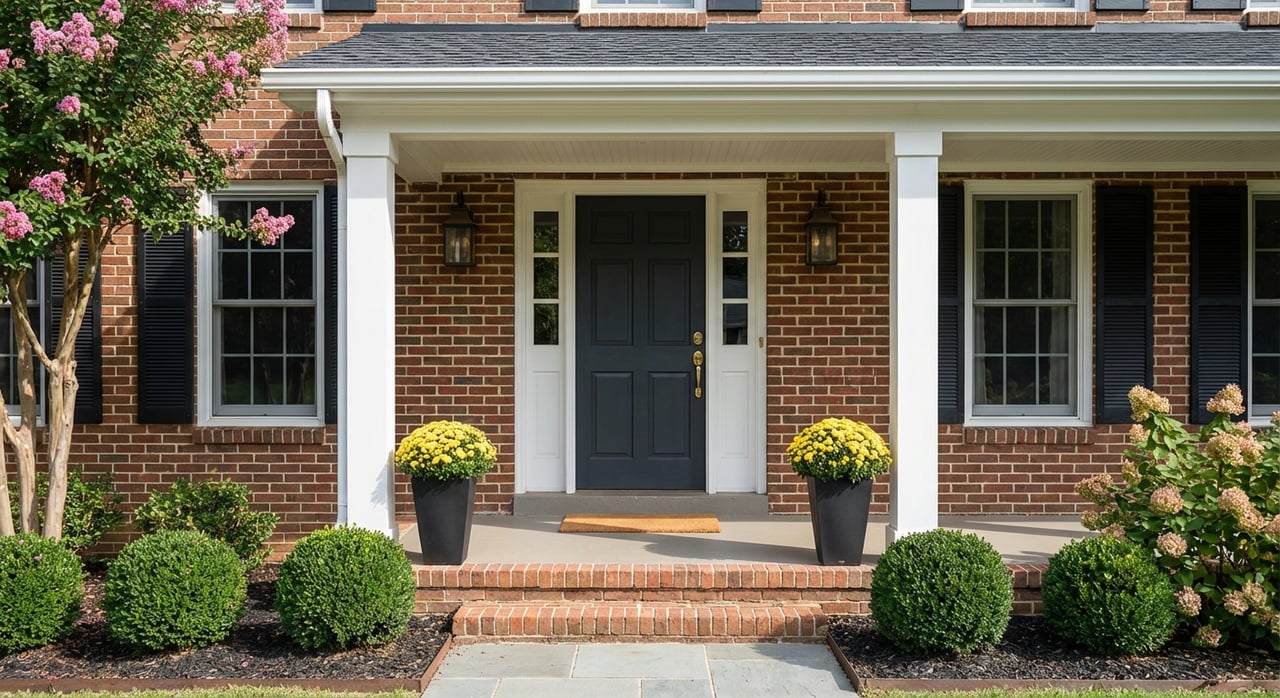
- Curb appeal: clean exterior, pressure-wash, paint touch-ups, refreshed landscaping, new mulch, repaired walkways, and a sharp front or garage door.
- Interior paint: light, neutral walls unify spaces and photograph beautifully. Aim for consistent trim and ceiling finishes.
- Floors and lighting: refinish hardwoods as needed and swap dated fixtures for clean-lined, warm-temperature LEDs.
- Kitchen refresh: update cabinet paint or refacing, hardware, backsplash, lighting, midrange appliances, and quartz or similar counters.
Avoid over-improving. Highly custom, upscale projects often recoup a smaller share of cost compared with targeted cosmetic upgrades, according to Cost vs. Value. Choose broadly appealing finishes that fit your home’s price band and neighborhood comps.
Kitchen refresh vs. a full gut
A minor or midrange kitchen remodel typically delivers a stronger percentage return than an upscale gut renovation in many markets. If your home is already aligned with neighborhood expectations, prioritize a refresh over a reconfiguration. Consider cabinet painting or refacing, new hardware, a timeless backsplash, and upgraded counters and lighting to lift the whole space cost-effectively. See the ROI trends for minor kitchen updates at Cost vs. Value.
Curb appeal for North Raleigh
First impressions matter. Modest front-yard refreshes often fall in the low-thousands for trimming, beds, edging, and mulch, with larger hardscape or full re-landscapes costing more. National guides put many front-yard projects in the rough $4,000 to $10,000 range depending on scope. For an overview, see Fixr’s guide to landscaping costs.
Staging that sells
Staging shapes how buyers perceive space and scale. The National Association of Realtors reports that around 29 percent of agents saw a 1–10 percent increase in offers with staging, and roughly half of sellers’ agents saw reduced time on market. Read the NAR release on how staging boosts sale prices and reduces time. Prioritize high-impact rooms like the living room, kitchen, and primary bedroom.
Local staging packages in the Triangle range from accessories-only to full vacant installations, with luxury estates carrying higher rental costs. For reference, see a local provider’s published staging pricing examples.
Here is a simple range to guide budgeting:
| Staging Scope | Typical Range | What It Includes |
|---|---|---|
| Accessory styling | $500–$1,500 | Pillows, throws, art, decor, light furniture edits |
| Partial staging | $1,500–$5,000 | Key rooms furnished or enhanced, rentals for several weeks |
| Full vacant staging (luxury) | $5,000–$15,000+ | Whole-home furniture and decor for larger footprints |
Schedule professional photography and video immediately after staging is complete so every image reflects the finished presentation.
Fund and speed prep with Compass Concierge
If timing or cash flow is tight, Compass Concierge can front the cost of pre-listing services such as staging, painting, flooring, landscaping, and certain renovations, then you repay at closing or per program terms. Availability and details vary by market, and repayment triggers may include listing termination or a program time cap. Review Compass’s overview of Concierge and ask about local terms before you begin.
Your 8–12 week prep timeline
A clear runway keeps the process calm and efficient.
- 8–12 weeks out: Walk the property with your agent for a CMA-backed plan. Decide on a pre-list inspection. Order any repairs that may need permits. Line up contractors for roof, HVAC, or other major items if needed.
- 6–8 weeks out: Complete exterior work and visible system repairs. Refresh landscaping, tackle paint touch-ups, and book staging and media dates.
- 3–4 weeks out: Install staging, complete deep cleaning, update hardware and lighting, and finish punch-list items. Schedule photography, video, and floor plans right after staging.
- Listing week: Launch mid-week to capture weekend traffic. Consider private previews or broker events to reach qualified luxury buyers. Track early feedback and be ready to adjust pricing or marketing assets if data suggests it.
Seasonally, many North Raleigh sellers aim for spring to early summer, with late summer to early fall also performing well. If you are targeting a school-year move, work backward from your desired close and allow 6–12 weeks for prep. For a broader view of statewide timing patterns, see this guide on the best time to sell a house in North Carolina.
Sample budget benchmarks
Use these as conversation starters, then confirm with local bids and your CMA.
- Minor kitchen refresh: National midrange data shows “minor kitchen remodel” costs in the high $20,000s in many datasets, often with stronger percentage ROI than an upscale gut. See Cost vs. Value.
- Midrange bathroom remodel: Nationally, midrange projects often recoup a significant share of cost, frequently in the 70–80 percent range depending on scope. See Cost vs. Value.
- Interior painting: A full interior repaint for an average home often lands in the low- to mid-thousands, with larger luxury homes priced higher for area and finish standards. For a general breakdown, see this overview of interior paint cost factors.
- Landscaping: Modest front-yard refreshes can fit in the low-thousands, while hardscape or full re-landscapes run higher. See Fixr’s landscaping cost guide.
- Staging: Accessory or partial packages can start under $1,000 in some cases and climb into the several-thousand-dollar range for full luxury installations. See the NAR staging summary and local pricing examples.
Remember, the goal is not to spend the most. It is to align updates with buyer expectations for your exact price band and neighborhood, then present the home so it photographs and shows at its best.
Quick seller checklist
- Order a pre-list inspection and gather maintenance, permit, and warranty records. See ASHI’s guidance on pre-listing inspections.
- Prepare and deliver North Carolina’s required RPOADS and Mineral and Oil and Gas Rights forms. Review NCREC guidance here.
- Fix critical roof, HVAC, plumbing, and electrical issues that could block offers or appraisals.
- Boost curb appeal first: exterior cleaning, mulch, trimmed plantings, repaired walkways, and a refreshed front or garage door. See ROI trends at Cost vs. Value.
- Choose targeted interior updates over full custom gut jobs unless your comps clearly demand them. See the Cost vs. Value findings.
- Stage key rooms and schedule professional photos, video, and floor plans after staging. Review NAR’s staging impact data.
- Consider funding prep through Compass Concierge, then repay at closing per program terms.
- Launch mid-week with polished marketing, monitor feedback, and adjust based on data.
Ready to sell with confidence and clarity in North Raleigh? Get a custom prep plan, a data-backed pricing strategy, and access to white-glove staging and marketing. Reach out to Bobbie M Callahan to Request a Personalized Market Plan.
FAQs
What counts as a “luxury” home in North Raleigh when selling?
- Many sellers use the top 5–10 percent of neighborhood sales or a roughly $1 million-and-up threshold, but the best measure is the 90th percentile in your exact ZIP based on a local CMA.
Which pre-sale updates usually deliver the best ROI?
- Cost vs. Value data shows curb appeal projects, a steel entry or garage door, fiber-cement siding, manufactured stone veneer, and a minor kitchen remodel often return the most relative value.
Is staging worth it for high-end homes?
- NAR’s research shows staging can increase offer prices and reduce time on market, especially when you focus on the living room, kitchen, and primary bedroom.
How does Compass Concierge help fund preparation?
- The program can front costs for staging, painting, flooring, landscaping, and more, with repayment at closing or per terms; availability and details vary by market.
What disclosures are required to sell a home in North Carolina?
- Most residential sellers must deliver the RPOADS and the Mineral and Oil and Gas Rights Disclosure by the time a buyer makes an offer and update them if they become inaccurate.
When is the best time to list a North Raleigh luxury home?
- Spring to early summer often attracts the broadest buyer pool, with late summer to early fall also strong; plan 6–12 weeks for prep so your home launches at its best.