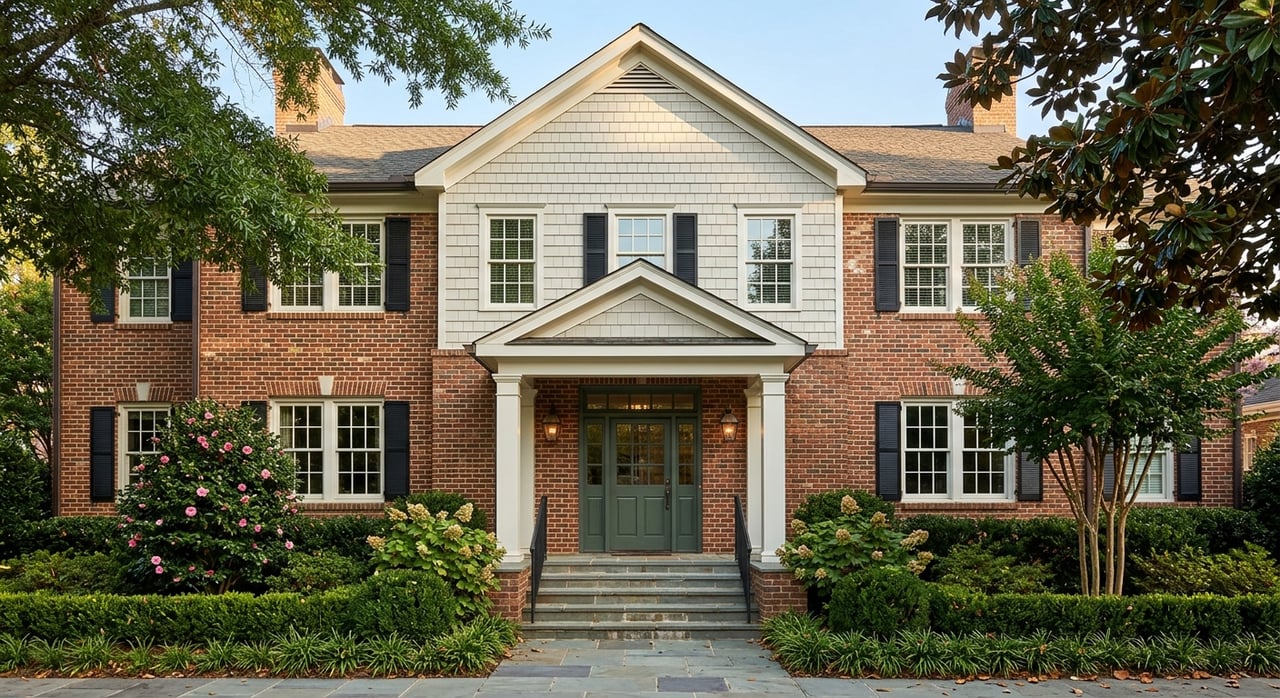
Buying a townhome or condo in North Raleigh can be a smart way to get into a popular part of Raleigh without taking on the price or upkeep of a larger detached home. If you are weighing convenience, budget, and location, it helps to know that not all attached homes work the same way once you get past the front door. This guide will walk you through pricing, ownership differences, HOA details, and the questions that matter most before you make an offer. Let’s dive in.
North Raleigh market overview
North Raleigh’s attached-home market offers a wide range of price points, which is one reason so many buyers start here. Current Redfin snapshots show 81 townhouses for sale at a median listing price of $315,000 and 49 condos at a median listing price of $225,000. In the broader North Raleigh market, the median sale price is $453,500 as of March 2026.
That gap matters if you want to stay in North Raleigh while keeping your purchase more manageable. Current listing examples suggest many condos fall roughly from the high $100,000s to the mid $400,000s, while many townhomes land from the $300,000s into the low $500,000s. There are higher-end outliers, but attached homes often create a more accessible entry point than detached homes in some nearby areas.
Market pace is active but not extreme. Redfin reports average time on market of about 42 days for townhouses and 49 days for condos in North Raleigh. That can give you a little room to evaluate options, but well-positioned homes can still move quickly.
Where condos and townhomes cluster
If you are narrowing your search by location, attached-home options appear most visibly in a few North Raleigh pockets. Current listings cluster around Midtown/North Hills, Bedford at Falls River, 5401 North and 27616, and parts of Northwest Raleigh. Each area offers a different mix of age, layout, amenities, and commute access.
Some current examples include North Hills Place near Shelley Lake, The Falls Condominiums near North Hills and Millbrook Exchange Park, Cedar Hill Condo near North Hills and Falls of Neuse, homes and condos in Bedford at Falls River near I-540, and newer 5401 North townhomes with garages and community pools. For many buyers, the appeal is less yard work and easier access to shopping, dining, parks, and major roads.
If you are relocating to the area, this is where local guidance can save time. Two homes with similar square footage may offer very different monthly costs, maintenance responsibilities, and community rules depending on the neighborhood and ownership structure.
Condo vs. townhome ownership
One of the most important things to understand is that a condo and a townhome are not just style differences. In North Carolina, they can fall under different legal ownership structures, and that changes how maintenance, insurance, and shared expenses work.
Under North Carolina law, a planned community is a form of real estate where owners pay taxes, insurance, or other expenses to maintain or benefit other lots or real estate through a declaration. The law also makes clear that a condominium is not itself a planned community, though condominium real estate can be part of one. In plain language, you should never assume the ownership setup based only on how the property looks.
That is why recorded declarations and association documents matter so much. A townhome may be in a planned community, while a condo may involve ownership of interior space plus shared common elements. Before you write an offer, you want to confirm exactly what you own and what the association controls.
Why the legal structure matters
The ownership regime affects your day-to-day costs and responsibilities. For both condos and planned communities, North Carolina law generally places responsibility for maintaining, repairing, and replacing common elements on the association. Owners are generally responsible for the unit or lot and improvements unless the declaration says otherwise.
That sounds simple, but the details can vary from community to community. For example, one association may handle exterior maintenance, grounds, and insurance for common areas, while another may cover additional items such as water, sewer, trash, or certain shared amenities. The declaration and HOA documents are what tell the real story.
Insurance is another area where buyers need clarity. North Carolina law requires association-level property and liability insurance for common elements, with coverage generally set at not less than 80% of replacement cost. Owners can also buy their own insurance for their own benefit, which is one more reason to understand where association coverage ends and your personal responsibility begins.
HOA dues in North Raleigh
HOA dues can vary a lot in North Raleigh, and that variation often reflects the level of service and amenities. Current listings show examples ranging from no HOA dues on one townhome to $85 per month, $210 per month, $225 per month, $230 per month, $245 per month, and even $423 per month on a larger townhome.
What those dues cover can be just as important as the amount itself. Some listings state that dues may include exterior maintenance, water, sewer, trash, grounds maintenance, pool access, clubhouse use, assigned parking, or community insurance. A higher monthly fee is not automatically a negative if it offsets costs you would otherwise carry on your own.
The key is to compare homes based on total monthly ownership cost, not just purchase price. A lower-priced condo with higher dues may or may not be a better fit than a townhome with lower dues and more owner responsibility.
HOA documents are part of affordability
Many buyers treat the HOA packet as a closing formality, but in North Carolina it is a core part of due diligence. State residential disclosure rules require sellers of HOA-governed property to disclose the association’s name, regular dues, services paid for by dues, approved special assessments, pending lawsuits, and transfer fees. That disclosure must be delivered before or at the time you make an offer.
If the required disclosure is not delivered on time, the buyer has a statutory cancellation right. That makes timing important, especially if you are making a quick decision in a competitive situation. Reviewing the documents early can help you avoid surprises later.
For condominiums, the public offering statement goes even deeper. It must include a current balance sheet, projected budget, reserve information, projected common expense assessments, insurance coverage, fees or charges, and known or pending suits against the association. In short, the documents can tell you whether a community appears financially prepared for future repairs or whether costs may rise.
Questions to ask before you offer
Before you move forward on a condo or townhome in North Raleigh, ask questions that go beyond finishes and floor plan. The right questions can protect both your budget and your ownership experience.
Confirm the ownership type
Make sure you know whether the home is a condominium or part of a planned community. Then confirm what the recorded declaration says about maintenance responsibility. This can affect repairs, insurance, and your long-term costs.
Review what dues actually cover
Do not stop at the monthly number. Ask for a breakdown of services and whether the association has reserves for future repairs. This gives you a better view of your true monthly picture.
Check for special assessments and fees
North Carolina disclosures should identify approved special assessments, pending lawsuits, and transfer fees. Those items can affect your cash needed to close and your ongoing financial exposure.
Ask about unpaid dues risk
Under North Carolina law, unpaid assessments can become liens. That is one reason it is important to understand the association’s rules, collection practices, and any current issues affecting the community.
Lifestyle trade-offs to consider
Condos and townhomes often appeal to first-time buyers, downsizers, and relocators who want a more manageable home base. Current listings highlight proximity to places like Shelley Lake Park, North Hills, Falls of Neuse shopping and dining, and commuter routes such as I-440 and I-540. Some communities also offer garages, pools, walking paths, storage, clubhouse space, or elevator access.
The trade-off is shared governance. Even if a home feels low-maintenance, the association’s rules, budget, and decision-making will shape your ownership experience. That is not necessarily a downside, but it is something to evaluate with open eyes.
For many buyers, the value proposition is compelling. Current Redfin neighborhood pages show homes around $1.62 million in North Hills and $3.44 million in North Ridge, which is far above the attached-home medians in the broader North Raleigh market. If your goal is to live near North Raleigh amenities while keeping your price point lower, attached homes can be worth a serious look.
How to shop smart in North Raleigh
A smart condo or townhome search starts with more than a saved search alert. You want to compare communities, not just individual units, because your ownership experience will depend on both the home and the association behind it.
As you evaluate options, focus on these four factors:
- Monthly cost: Mortgage, dues, insurance, and any utility items covered or not covered by the HOA
- Maintenance split: What the association handles versus what you will handle
- Community financial health: Reserves, budget strength, and any known assessments or litigation
- Location fit: Commute routes, nearby amenities, and the day-to-day convenience you want
This is especially important if you are moving from out of town or buying your first attached home. A careful review up front can help you choose a property that fits both your lifestyle and your long-term budget.
North Raleigh gives you a wide range of condo and townhome options, from more budget-friendly entry points to newer and more amenity-rich communities. If you approach the search with a clear understanding of ownership structure, HOA obligations, and local price bands, you will be in a much stronger position to buy with confidence. If you want local guidance on comparing communities, reviewing the numbers, and finding the right fit for your goals, connect with Bobbie M Callahan.
FAQs
What is the difference between a condo and a townhome in North Raleigh?
- In North Carolina, the key difference is often the legal ownership structure, not just the building style. A condo and a townhome can involve different maintenance, insurance, and common-area responsibilities, so you should review the recorded declaration and HOA documents.
How much do North Raleigh condos and townhomes cost?
- Current Redfin snapshots show a median listing price of $225,000 for condos and $315,000 for townhouses in North Raleigh, with many listings ranging from the high $100,000s to mid $400,000s for condos and from the $300,000s to low $500,000s for townhomes.
What do HOA dues usually cover in North Raleigh attached-home communities?
- Coverage varies by community, but current listings show dues may include exterior maintenance, water, sewer, trash, grounds maintenance, pool access, clubhouse use, assigned parking, or community insurance.
What HOA information should North Raleigh buyers review before making an offer?
- You should review regular dues, services covered by dues, approved special assessments, pending lawsuits, transfer fees, reserve information, budget details, and insurance coverage if available.
Are North Raleigh condos and townhomes a good alternative to detached homes?
- For many buyers, yes. Attached homes can offer a more accessible price point in North Raleigh while reducing exterior upkeep and keeping you close to major amenities, parks, shopping, dining, and commuter routes.