If you are thinking about selling in North Raleigh, you may be wondering whether a few smart updates could help your home stand out without draining your cash before closing. That is a common question, especially when buyers are paying close attention to presentation, condition, and first impressions. The good news is that Compass Concierge can help cover certain pre-listing improvements so you can prepare your home more strategically. Here is how the program works, which projects tend to matter most, and why a focused plan can make a real difference before your home hits the market.
What Compass Concierge Does
Compass Concierge is a seller-prep program that fronts the cost of approved home improvements so you can get your property market-ready before closing. The goal is to help you prepare faster and make thoughtful updates with guidance from your agent.
Compass lists more than 100 covered services. These include staging, flooring, painting, deep cleaning, decluttering, landscaping, cosmetic renovations, kitchen and bathroom updates, HVAC work, roofing repair, plumbing and electrical work, and moving or storage support.
How Compass Concierge Works
The process is designed to be straightforward. You work with your agent to identify which improvements may have the strongest impact, set a budget, coordinate vendors, complete the work, and then launch the home to market.
Compass states that repayment is deferred until one of several events happens: your home sells, your listing agreement ends, or 12 months pass from the Concierge start date. Compass also notes that terms can vary by market, and fees or interest may apply in some states.
It is also important to know that funding is provided by Notable Finance, not Compass. Eligibility is subject to credit approval and underwriting, and Compass states that results are not guaranteed.
Why This Matters in North Raleigh
North Raleigh is not a one-size-fits-all market. The level of preparation that makes sense for your home can depend on your zip code, price point, and the condition of nearby competing listings.
Recent market data shows some clear differences across North Raleigh. In 27615, homes are selling in about 19 days on average and receive about 4 offers. In 27609, homes sell in about 37 days on average, with a 98.3% sale-to-list ratio. In 27612, homes stay on the market around 47 days and receive about 2 offers.
That does not mean every seller needs a major renovation. It does suggest that presentation still matters, whether you are trying to capture attention quickly in a faster-moving pocket or create more urgency in an area where buyers may take longer to decide.
Best Projects for North Raleigh Sellers
For most sellers, the strongest use of Compass Concierge is not a full remodel. It is a focused list of visible, buyer-facing improvements that make the home easier to show, easier to photograph, and easier for buyers to picture as their next home.
Compass’s service list supports that approach. The most relevant pre-listing projects often include:
- Fresh interior paint
- Flooring repair or replacement
- Deep cleaning
- Decluttering
- Professional staging
- Landscaping improvements
- Modest kitchen refreshes
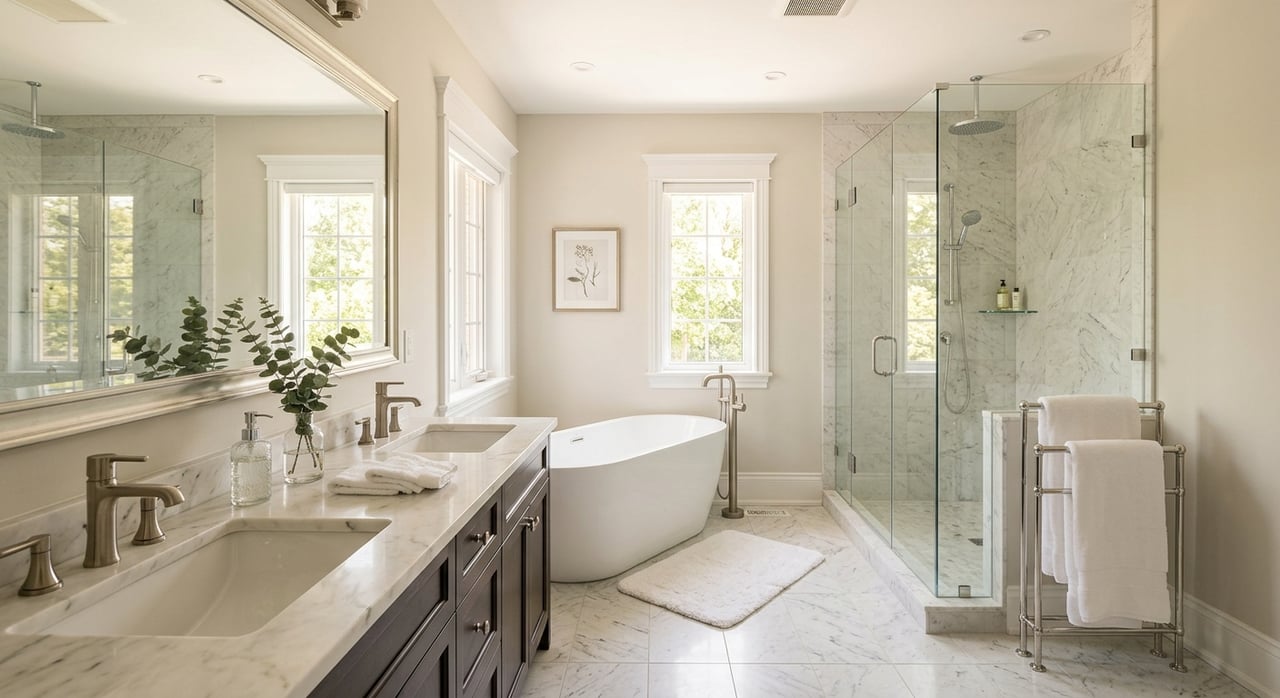
- Modest bathroom refreshes
- Roofing or system repairs when needed
This lines up with broader remodeling trends as well. In the 2025 Remodeling Impact Report, the top projects agents recommended before listing were painting the entire home, painting one interior room, and new roofing.
The same report found that some of the best resale payoffs can come from relatively targeted updates. A new steel front door had an estimated 100% resale cost recovery, followed by closet renovation at 83% and a new fiberglass front door at 80%.
Focus on Buyer-Facing Value
The biggest lesson for sellers is simple: not every dollar spent before listing has the same impact. Buyers tend to respond most strongly to updates they notice right away and to repairs that reduce concerns about condition.
That is why many of the most effective improvements are also the most visible ones. Fresh paint, clean flooring, better lighting, tidy landscaping, and a polished entry can improve the way your home feels from the first photo to the final walkthrough.
A kitchen or bathroom refresh can also help, especially if the space looks dated in listing photos. But the goal is usually not to overbuild for the area. It is to remove distractions, improve presentation, and support a stronger market launch.
Why Staging Can Change the Outcome
Staging is one of the clearest examples of how presentation affects marketability. According to the 2025 Profile of Home Staging, 83% of buyers’ agents said staging makes it easier for a buyer to visualize the home as a future residence.
That same report found that 60% of buyers’ agents said staging affects most buyers most of the time. On the seller side, 29% of sellers’ agents reported that staging led to a 1% to 10% increase in the dollar value offered, while 49% said staging reduced time on market.
For North Raleigh sellers, that matters because buyers often make judgments early. If your home feels bright, clean, neutral, and well-proportioned online, you have a better chance of getting strong interest before a buyer ever steps through the door.
Rooms That Matter Most
If you are deciding where to spend your time and budget, staging data points to a few key spaces. The living room, primary bedroom, and kitchen are among the most commonly staged and most influential rooms for buyers.
That means you do not always need to update every inch of the house. In many cases, the smartest strategy is to focus on the rooms buyers notice first and the areas that shape the overall impression of care, space, and livability.
Photos and video also play a major role in how buyers engage with a listing. Cleaned-up, well-lit, thoughtfully styled rooms can improve interest from the first scroll.
Permits Matter in Raleigh
If your pre-listing plan includes more than cosmetic work, permit requirements matter. In Raleigh, many home-improvement projects require permits, even when they do not require a full plan review.
The City of Raleigh lists room renovations, moving walls, siding, windows, doors, roofing, electrical upgrades, HVAC replacement or installation, decks, porches, fences, pools, hot tubs, generators, and additions among permit-related items. Inspections are required for permitted residential work.
The city also states that work completed without a permit can lead to fines, delays, insurance issues, and problems during a future sale. If a home has a private well or septic system, Wake County approval may also be needed before applying with the city.
A Smarter Way to Use Concierge
The most effective use of Compass Concierge is usually disciplined, not flashy. Instead of doing everything, you and your agent can identify the updates most likely to improve marketability and reduce buyer objections.
That might mean repainting a few heavily used rooms, refinishing worn floors, staging the main living areas, handling deferred maintenance, and sharpening curb appeal. It could also mean skipping projects that are expensive, highly personal, or unlikely to move the needle in your price range.
This kind of planning is especially important in North Raleigh, where one neighborhood or zip code can behave differently from the next. A tailored strategy helps you invest where it counts instead of guessing.
How Timing Can Help Your Launch
Compass also notes that sellers may market their home as a Private Exclusive or Coming Soon before the public MLS launch, even while work is still underway. That can help build early interest while the home is being prepared.
For sellers, this creates an opportunity to pair smart preparation with a thoughtful rollout. Instead of rushing to market in less-than-ready condition, you may have more room to create a cleaner first impression.
What Sellers Should Keep in Mind
Compass Concierge can be a helpful tool, but it works best when you approach it with clear priorities. The program is designed to support approved improvements, not guarantee a specific return.
That is why local guidance matters. The right prep plan for your home should reflect your competition, the condition of the property, your likely buyer pool, and the pace of your specific North Raleigh submarket.
When handled well, pre-listing updates can help your home show better, photograph better, and feel easier for buyers to say yes to. That is often where value is created.
If you are weighing whether to paint, stage, repair, refresh, or simply list as-is, a personalized prep strategy can make the decision much clearer. To explore what improvements may make sense for your home in North Raleigh, connect with Bobbie M Callahan.
FAQs
What is Compass Concierge for North Raleigh home sellers?
- Compass Concierge is a seller-prep program that fronts the cost of approved home improvements so you can prepare your home for sale before closing, with repayment deferred based on program terms.
What kinds of projects can Compass Concierge cover before listing a North Raleigh home?
- Covered services can include staging, painting, flooring, deep cleaning, decluttering, landscaping, cosmetic renovations, kitchen and bathroom updates, roofing repair, HVAC work, plumbing, electrical work, and moving or storage support.
Which home improvements matter most before selling in North Raleigh?
- The most relevant projects are often visible, buyer-facing updates such as fresh paint, flooring improvements, staging, landscaping, cleaning, decluttering, and modest kitchen or bathroom refreshes.
Does staging really help North Raleigh sellers?
- Yes. NAR’s 2025 staging data found that 83% of buyers’ agents said staging makes it easier for buyers to visualize a home, and 49% of sellers’ agents said staging reduced time on market.
Do Raleigh home improvement projects require permits before listing?
- Many do. The City of Raleigh says projects such as roofing, windows, doors, electrical upgrades, HVAC work, room renovations, decks, porches, and similar work may require permits and inspections.
Is Compass Concierge a good fit for every North Raleigh listing?
- Not always. It tends to be most useful when a focused group of improvements can meaningfully improve presentation, reduce buyer objections, and support a stronger launch strategy.