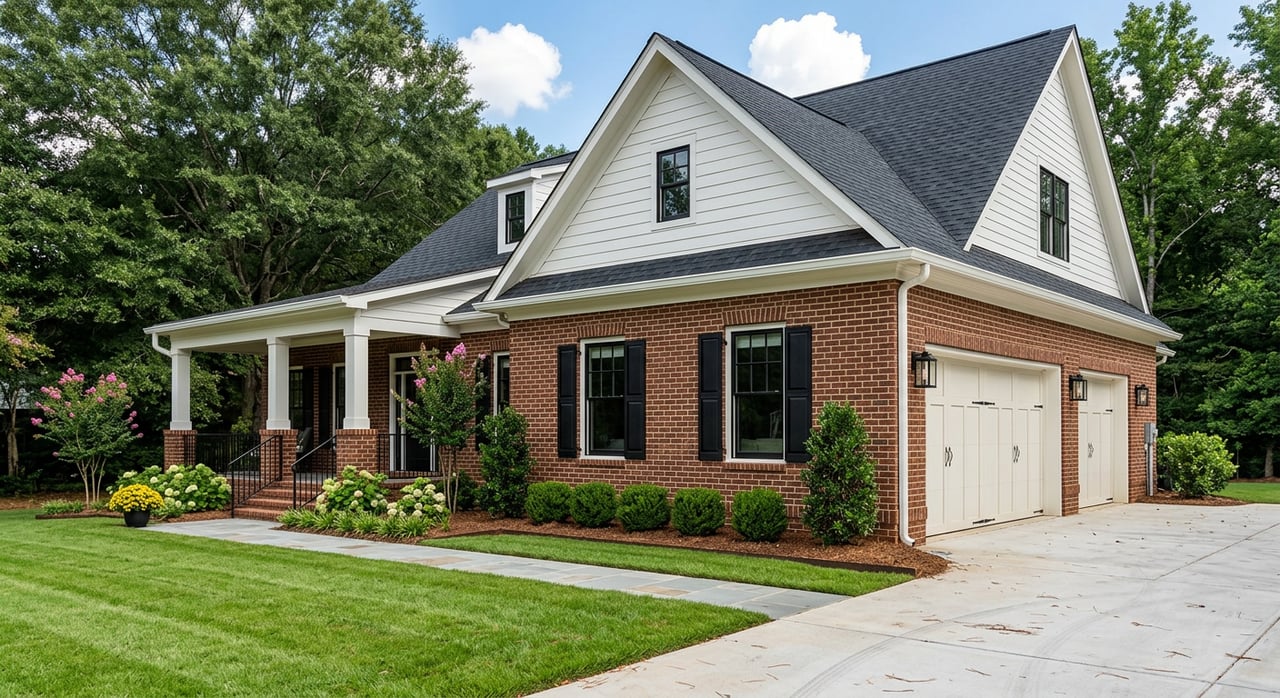
Thinking about a new construction home in North Raleigh but not sure where to start? You are not alone. Between fast-moving communities, builder contracts, and a maze of inspections and warranties, it can feel like a lot. This guide breaks down where new homes are rising, how North Carolina builder contracts work, what inspections and warranties really cover, and how to compare a new build to resale so you can buy with confidence. Let’s dive in.
Where new homes are rising in North Raleigh
North Raleigh has several active corridors for new construction. You will see releases of townhomes and single-family homes along I-540, US-401, Six Forks, Falls of Neuse, Leesville, and the North Hills or Midtown area. To get a feel for current offerings, browse representative community listings marketed as North Raleigh on trusted aggregators like the Homes.com new-home communities page for Raleigh. Inventory changes often, so focus on the corridor and lifestyle you want, then confirm status with the builder.
One standout growth area sits around Brier Creek near I-540 and US-70. Local coverage highlights significant mixed-use and residential plans here, including multi-thousand-unit proposals. For context on the scale and pace of development, review this overview of a major planned project in the Brier Creek area from a neighborhood source: Durham Gateway plans near Brier Creek. Expect continued expansion in this northwest corridor.
Closer to Midtown and North Hills, you will find more infill and smaller, amenity-forward projects. East of Six Forks and along the Falls of Neuse or 401 corridors, larger production builders and smaller subdivisions continue to release new phases. Your best bet is to align the commute, amenities, and price band you prefer, then track upcoming releases with a buyer’s agent who watches these pockets daily.
How new-construction contracts work in North Carolina
Forms and who they favor
In North Carolina, new builds may use two types of paperwork. Many brokers and attorneys use the North Carolina REALTORS and North Carolina Bar Association standard forms for new construction, including the New Construction Offer to Purchase and Contract. You can review background on these forms in the NCAR or NCBA guidance. Builders may also use their own in-house contracts. These proprietary agreements often favor the builder more than the standard NC forms, so it pays to read every clause.
At the model home, remember the on-site sales rep works for the builder. Your buyer’s agent represents you. When builders offer agent bonuses or incentives, North Carolina rules require agents to disclose those incentives to you in writing. You can read the North Carolina Real Estate Commission’s guidance on disclosure in its NCREC bulletins.
Price and deposits explained
Your price is the base model plus lot premium, structural options, design upgrades, and closing costs. Location features like a cul-de-sac or larger lot can carry a premium. Upgrades can add more than expected. Ask for a fully itemized price that shows base, lot, all options, and every fee in one place.
Builders often collect deposits in stages. North Carolina forms distinguish earnest money and due diligence or option fees, but builder contracts may label deposits differently. Some upgrade or option payments can be non-refundable once selections are final. Before you sign, get the refund rules and every deadline in writing. The NCAR or NCBA guidance offers helpful context on how deposits, due diligence, and earnest money typically work in the state.
Inspections, timelines, and contingencies
Builder contracts may limit your right to inspect during construction. Many buyers negotiate the right to bring an independent inspector at key milestones like pre-drywall and final. Standard NC forms and industry practice encourage this. If you want staged inspections, make sure the contract spells out access and timing.
Financing and appraisal timelines can be shorter, and some builder contracts scale back or remove typical contingencies. Because options and lot premiums raise prices above the base model, an appraisal gap can happen. Plan ahead for remedies such as bringing cash to cover a shortfall, requesting a builder credit, or renegotiating the price if allowed by the contract. The best protection is to understand your contract’s financing and appraisal language before you commit.
Remedies, punch lists, and closing
Builder contracts often include time-of-the-essence dates, arbitration clauses, limited buyer remedies, and capped damages. Ask for clear language on how punch-list items will be handled, when they will be completed, and how warranty claims are processed after closing. If the contract allows, try to schedule a final quality check with your inspector before your final walkthrough, then document punch items in writing.
Permits, inspections, and warranties: what to know
City and county inspections
Inside the City of Raleigh, the city issues permits and performs inspections at stages such as foundation, framing or rough-ins, insulation or energy, and final completion. Wake County handles areas outside city jurisdiction. You can learn how local permitting and inspections work from the city’s guide on how to get a residential permit. The goal is code compliance and safety. Municipal inspections are essential, but they are not a substitute for your own independent inspections that focus on workmanship and maintenance risks.
Independent inspections to schedule
- Pre-drywall inspection. This happens after framing and rough-ins but before insulation and drywall. It is the best time to catch issues behind the walls. Trade groups like InterNACHI explain why a pre-drywall inspection is valuable.
- Final new-construction inspection. Schedule this before your builder walkthrough and closing. It complements the municipal final by flagging finish or function items a code inspection does not cover.
- 11th-month inspection. Before your one-year workmanship warranty expires, consider an inspection to document items for a claim. It creates a clear record and helps you use your warranty effectively.
What warranties usually cover
Most production builders offer a staggered warranty often summarized as 1-2-10. That means one year for workmanship and materials, two years for mechanical or distribution systems, and up to ten years for major structural defects. For a clear overview and examples of third-party structural coverage, see the 2-10 Home Buyers Warranty resource for North Carolina. Always review your builder’s actual written warranty for inclusions, exclusions, start dates, and how to submit claims.
Note that federal mortgage programs changed in recent years. FHA removed the blanket requirement for a 10-year insured protection plan in 2019. Lenders may still require a one-year warranty of completion in some cases, and builders commonly provide the 1-2-10 structure regardless. Ask your lender and builder to confirm what applies to your home and loan type.
Legal backstops in North Carolina
North Carolina also recognizes certain protections in law. Courts have found that an implied warranty of habitability or workmanlike construction can protect the initial buyer in a builder-vendor sale. There are also time limits. North Carolina’s statute of repose generally bars many construction-related claims more than six years after substantial completion. You can read a practitioner overview of the statute of repose. The bottom line is to document concerns early, use your warranty process, and seek counsel for serious issues.
New build vs existing home: how to compare
Advantages you will enjoy with new construction
- New code standards and modern systems. You get current electrical, plumbing, and energy-efficiency features, plus manufacturer warranties on many components.
- Lower early maintenance risk. With new finishes and systems under warranty, your first years often bring fewer surprise repairs.
- Personalization. You can choose a floor plan and interior options that fit your lifestyle and taste.
Tradeoffs to plan for before you sign
- Price premiums and appraisals. Lot premiums and upgrades can push your final price above nearby resale comparables. That can create appraisal gaps if recent sales do not reflect your options. Know your contract’s financing terms and have a plan if the appraisal comes in low.
- Build timelines. Schedules can shift due to weather, labor, or supply changes. Some builder contracts limit your remedies for delays. Have a contingency plan if you are selling or ending a lease.
- Finish quality and punch lists. Municipal inspections focus on code, not fit and finish. Independent inspections and a detailed punch list help you close with confidence.
- HOA and developer control. In early phases, the developer often controls the HOA board and common areas. Governance and maintenance of roads or drainage can evolve as the community builds out. It helps to understand the HOA timeline and responsibilities; this consumer-focused review of challenges in new HOA common property offers useful context on developer control and construction issues.
A simple roadmap to buying new in North Raleigh
Use this quick checklist to protect your budget, timeline, and peace of mind.
- Before you sign
- Request the full purchase agreement, selection sheets, HOA covenants, sample warranty, and a line-item estimate for every upgrade and lot premium.
- Get deposit amounts, refund rules, and deadlines in writing. Confirm how option payments are handled.
- Verify your builder or general contractor license status with the North Carolina Licensing Board for General Contractors.
- Representation
- Bring a buyer’s agent who understands new construction and registers you with the builder from the first visit.
- Ask about any builder incentives and get written disclosure as required by the NCREC.
- Inspections and quality control
- Negotiate access for a pre-drywall inspection and a final independent inspection. Schedule early with certified, local inspectors. Learn why pre-drywall matters from InterNACHI.
- Plan an 11th-month inspection to document items before the workmanship warranty ends.
- Permits and certificates
- Confirm the city or county completed required inspections and issued a Certificate of Occupancy before you take possession. The City of Raleigh explains its process here: residential permits and inspections.
- Warranties, claims, and timelines
- Clarify warranty start dates, coverage tiers, and claim procedures. Review whether structural coverage is third-party backed. The 2-10 overview is a useful reference.
- Keep a written log with photos of issues, dates reported, and responses. Time limits apply to many claims in North Carolina, as outlined in the statute of repose summary.
Ready to explore new construction in North Raleigh with a calm, strategic plan? Let’s match you with the right corridor, builder, and contract terms so you can move with confidence. Reach out to Bobbie M Callahan to Request a Personalized Market Plan.
FAQs
Do I need my own inspector if the city already inspected my new home?
- Yes. City inspections focus on code compliance and safety. An independent inspector looks for workmanship and maintenance risks and gives you a homeowner-friendly report. You can review how the city’s process works in Raleigh’s guide to residential permits and inspections.
What happens if the appraisal comes in low on my new construction home?
- Common options include bringing cash to cover the gap, asking for a price adjustment or builder credit if allowed, appealing the appraisal with your lender, or exercising a financing contingency if your contract provides one. Discuss the plan with your agent and lender before you sign.
What is a 1-2-10 builder warranty on new homes?
- It typically means one year for workmanship and materials, two years for mechanical or distribution systems, and up to ten years for major structural defects. See a clear overview in the 2-10 Home Buyers Warranty resource.
How long do I have to pursue a structural defect claim in North Carolina?
- North Carolina’s statute of repose generally bars many construction-related actions more than six years after substantial completion. Document issues early and use your warranty process. A practitioner overview is available here: North Carolina statute of repose.
Does the on-site sales agent at a model home represent me?
- No. The on-site sales agent represents the builder. Your buyer’s agent represents you and must disclose any builder bonuses or incentives in writing, as outlined in the NCREC bulletins.