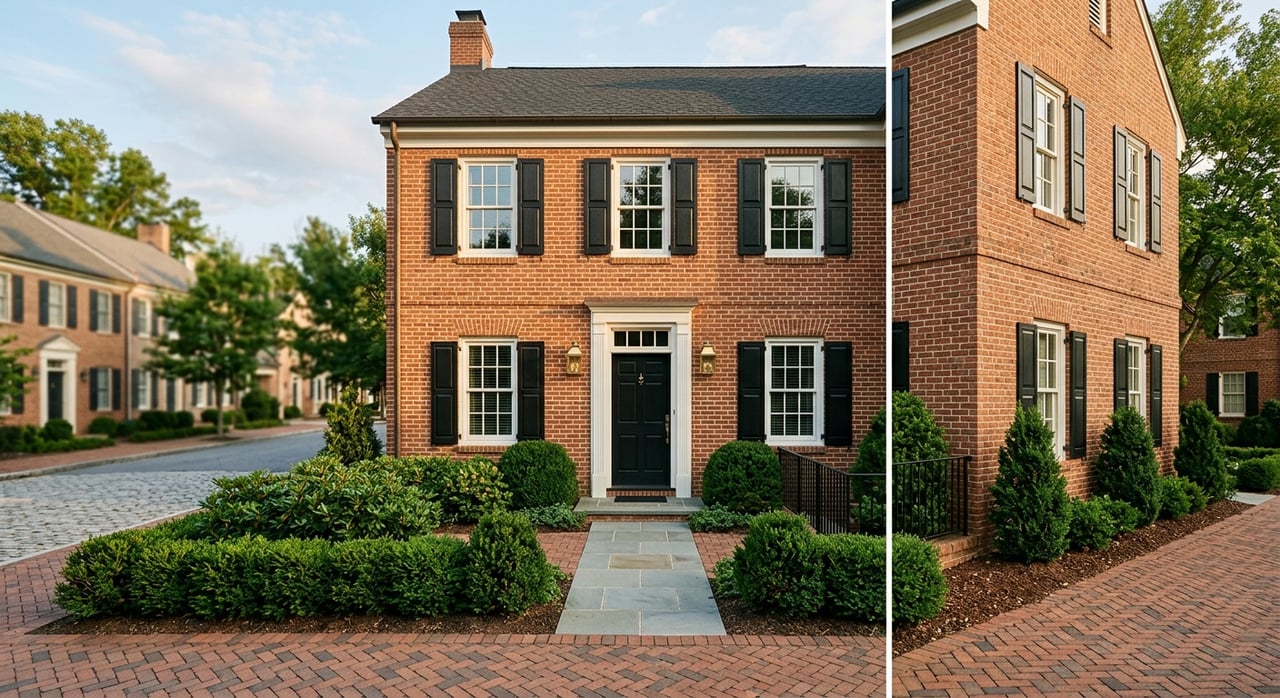
Thinking about leaving the big house behind but not ready to leave North Raleigh? You are not alone. For many homeowners, downsizing is less about moving away and more about making everyday life simpler, easier, and better matched to how you live now. If that sounds familiar, this guide will help you weigh your options, understand the tradeoffs, and plan a smoother move within North Raleigh. Let’s dive in.
Why North Raleigh works
Downsizing often feels easier when you can keep your routines, favorite places, and community ties. That is one reason staying in North Raleigh can make so much sense. Instead of starting over somewhere unfamiliar, you can focus on finding a home that asks less of you while keeping the location you already enjoy.
The market also supports this kind of move. According to Redfin’s North Raleigh housing market snapshot, the median sale price is about $450,000 and homes average around 42.5 days on market. Realtor.com market data referenced in the research report and local market snapshots point to an active market with available inventory, even though sources use different methods.
There is also a strong lifestyle reason to stay local. In AARP’s 2024 home and community preferences survey, 75% of adults age 50-plus said they want to stay in their current home as long as possible, and 73% said they want to stay in their current community. The same survey found that 60% want to lower housing and maintenance costs, which is exactly where downsizing and low-maintenance living often meet.
What low-maintenance living means
Low-maintenance living is not one specific home type. It is a spectrum. For one person, it may mean a smaller detached home with less yard work. For someone else, it may mean a townhome, condo, or single-family home in a neighborhood with shared maintenance responsibilities.
That distinction matters because the goal is not always to buy the smallest home possible. Often, the better goal is to find a home that is easier to manage, easier to maintain, and easier to live in day to day.
Compare your main options
If you are downsizing within North Raleigh, you may want to compare these common paths:
| Option | Potential benefits | Things to review |
|---|---|---|
| Smaller single-family home | More privacy, familiar layout, possibly less yard and upkeep | Exterior maintenance may still be your responsibility |
| Townhome | Landscaping and some exterior tasks may be handled through HOA | Monthly dues, HOA rules, and long-term costs |
| Condo | Minimal exterior upkeep and simplified living | HOA dues, shared spaces, and building policies |
| HOA-managed single-family neighborhood | Keeps detached-home feel with some shared maintenance support | Scope of HOA services and fee structure |
As the National Association of Realtors explains, HOA funds are often used for landscaping, routine maintenance, and common areas. That can be a big plus if you want to spend less time on exterior upkeep.
Still, HOA living is not automatically cheaper. The Consumer Financial Protection Bureau notes that HOA dues are usually paid separately from your mortgage and can range from a few hundred dollars to more than $1,000 per month. That means the right move is not just about purchase price. It is about your full monthly budget and the value you get in return.
How to evaluate HOA tradeoffs
If low-maintenance living points you toward an HOA community, take a close look before you buy. Monthly dues may cover services that save you time and physical effort, but you need to know exactly what is included.
NAR advises buyers to review HOA financial statements, reserve funds, and any history of special assessments. That helps you understand whether the community is planning well for future repairs or whether extra costs could show up later.
Questions worth asking
Before choosing an HOA-managed property, consider asking:
- What exterior maintenance is covered?
- Is landscaping included?
- Are there recent or planned special assessments?
- How strong are the reserve funds?
- What restrictions apply to exterior changes or use of common areas?
- How much do dues add to your total monthly housing cost?
These details help you compare homes more accurately. A lower-maintenance property can still be the right fit, but only if the numbers and services line up with your goals.
Features that support easier living
Square footage is only part of the equation. A home can be smaller and still feel frustrating if the layout does not work well. On the other hand, a home with thoughtful design can make daily life feel simpler right away.
AARP’s aging-in-place checklist and NAR’s guidance on features older buyers value highlight practical details that matter in a downsizing move.
Look for these practical features
- No-step or low-step entry
- Functional first-floor living
- Walk-in shower
- Grab bars or space to add them
- Wider doorways
- Better lighting
- Lever-style door handles
- Decluttered, easy-to-navigate pathways
- Lower utility demands
- Easy-to-maintain outdoor space
These features are not only about aging in place. They also support comfort, convenience, and lower-effort living now.
Staying connected to your routine
One of the biggest advantages of downsizing within North Raleigh is continuity. You may be changing homes, but you do not have to give up the activities and places that already shape your week.
The City of Raleigh says it has more than 200 parks, 117 miles of greenway trails, and programs for active adults. For many homeowners, that makes a local move easier to picture because your daily lifestyle can stay familiar even if your home footprint changes.
If social connection and recreation matter to you, North Raleigh offers strong options. Raleigh Parks’ Active Adult Program includes classes, trips, wellness opportunities, social activities, and more than 30 clubs for adults 50 and older. Amenities like North Hills Park and trail access in North Raleigh can also help you stay close to the routines you already enjoy.
Timing the sale and purchase
For many downsizers, the hardest part is not choosing the next home. It is coordinating two moves without feeling rushed. The good news is that this is a common challenge, and there are several ways to approach it.
NAR’s consumer guide to real estate contingencies explains options such as home-sale contingencies, home-close contingencies, HOA review periods, inspection contingencies, appraisal contingencies, rent-back clauses, continue-to-show language, and kick-out clauses. These tools can help create structure and reduce uncertainty, but they need clear timelines.
Another option may be bridge financing. NAR explains that bridge loans can help homeowners access equity before their current home sells. In the right situation, that can reduce pressure and make it easier to compete for the next home without a contingent offer.
Why planning matters now
National data shows this is not a rare situation. In NAR’s 2024 Profile of Home Buyers and Sellers, the median buyer age reached 56, repeat buyers were 61, and 32% of sellers traded down to a smaller home. The same report found median tenure in the home was 10 years, which means many sellers are balancing equity, timing, and emotion all at once.
That is why a clear plan matters. When you know how you want to sequence the sale, search, and move, the downsizing process tends to feel more manageable.
Preparing your current home
If you have lived in your home for many years, preparing it for sale may feel like a project of its own. The goal is not to erase your life there. The goal is to present the home clearly so buyers can understand its value and move-in potential.
NAR reports that sellers most want help with marketing, pricing competitively, and selling within a specific timeframe. That lines up with what many downsizers need most: practical guidance on what to update, what to leave alone, and how to prepare the home without overspending.
Focus on value, not just effort
When getting ready to sell, it helps to prioritize improvements that support marketability and daily appeal, such as:
- Decluttering room by room
- Improving lighting
- Highlighting functional first-floor spaces
- Refreshing landscaping for easier curb appeal
- Emphasizing durable materials and energy efficiency
- Making pathways and rooms feel open and easy to navigate
This kind of preparation can help your home show better while also supporting your timeline for the next move.
The emotional side of downsizing
Downsizing is practical, but it is also personal. Leaving a long-time home can bring relief, uncertainty, excitement, and hesitation all at once. That is normal.
AARP’s research shows that most adults 50-plus want to remain in their current home and community as long as possible. So if you feel attached to your current house, that does not mean downsizing is the wrong choice. It simply means the decision carries history.
A helpful way to think about it is this: downsizing within North Raleigh is often less about leaving your life behind and more about reshaping your home around the life you want next. The right move can preserve what matters most while reducing the work that no longer feels worth it.
A smart North Raleigh downsizing plan
A successful downsizing move usually starts with a few key questions:
- What kind of maintenance do you want to stop doing?
- Which parts of North Raleigh best support your current routine?
- What monthly payment feels comfortable once dues and utilities are included?
- Which home features would make life easier now and over time?
- How should the sale and purchase be timed to lower stress?
When you answer those questions first, the home search becomes more focused. You are not simply looking for less space. You are looking for a better fit.
If you are considering a move to lower-maintenance living in North Raleigh, Bobbie M Callahan can help you map out both sides of the transition, from preparing your current home for the market to identifying the right next property for your goals.
FAQs
What does low-maintenance living in North Raleigh usually include?
- Low-maintenance living in North Raleigh often means a smaller home, less yard work, or an HOA-managed property where services like landscaping or routine exterior upkeep may be included.
Are HOA fees included in a North Raleigh mortgage payment?
- No. The Consumer Financial Protection Bureau says HOA dues are usually paid separately from your mortgage, so you should budget for them as an added monthly housing cost.
What home features matter most when downsizing in North Raleigh?
- Many buyers focus on features like first-floor living, no-step entry, walk-in showers, better lighting, wider doorways, and easier outdoor maintenance.
How can you buy and sell at the same time when downsizing in North Raleigh?
- Common tools include home-sale contingencies, home-close contingencies, rent-back agreements, and in some cases bridge financing, depending on your timing and finances.
Why do many homeowners choose to downsize within North Raleigh instead of leaving the area?
- Many homeowners want to keep their community ties, routines, parks, trails, and social activities while moving to a home that is easier to manage.